The Best Material for Skincare Travel Bottles: A Complete Guide
Glass vs. Aluminum vs. Plastic Travel Containers: Which Material Is Best for Your Skincare?
The Best Material for Skincare Travel Bottles: A Complete Guide
When packing for a trip, most of us focus on which skincare products to bring, but rarely stop to consider what we’re putting them in.
That inexpensive plastic travel bottle might seem like a convenient solution, but have you ever wondered how the material of your travel containers could affect the skincare products inside?
From ingredient compatibility and product preservation to durability and sustainability, the materials used in your travel containers matter more than you might think.
With so many options available, including plastic, aluminum, and glass, how do you know which is best for your skincare and makeup?
We’re breaking down the differences to help you make a more informed choice before your next getaway.
What You’ll Learn in This Article
- Glass vs. aluminum vs. plastic: The advantages and disadvantages of each travel container material.
- Skincare compatibility: Why the material touching your skincare products matters.
- Product preservation: How light, air, and packaging materials can affect sensitive ingredients such as retinol and vitamin C.
- Durability and portability: Which materials are best for protecting products while traveling.
- Cleaning and reusability: How different materials perform over repeated use.
- Sustainability: Why choosing refillable travel containers can help reduce single-use packaging.
- The MYO difference: How MYO combines glass, aluminum, and food-grade polypropylene to create a luxury travel system.
Why Does the Material of Your Skincare Travel Bottles Matter?
You’ve invested in your skincare routine. From vitamin C serums to expensive moisturizers and foundations, every product has been carefully chosen for your skin.
But transferring those formulas into an unsuitable travel container can introduce new considerations.
Some skincare ingredients are sensitive to light, oxygen, and heat. Others require packaging materials that are compatible with their specific formulation.
The material of your travel bottle can influence:
- Product compatibility: How the container interacts with the formula inside.
- Ingredient stability: Whether sensitive ingredients receive adequate protection from environmental factors.
- Hygiene: How easily the container can be cleaned and reused.
- Durability: Whether your products are protected from bumps, pressure changes, and everyday handling.
- Longevity: How well the container holds up after repeated trips and refills.
Not all plastics behave the same way, and not every glass or aluminum container is suitable for every formulation. Choosing the right combination of materials, closure, and design makes a difference.
Glass vs. Aluminum vs. Plastic: Comparing Travel Container Materials
Each material has its strengths, but the best option depends on what you’re packing and how you travel.
1. Plastic Travel Containers: Lightweight and Affordable
Plastic travel bottles are among the most common options found in drugstores, airports, and travel aisles.
They’re inexpensive, lightweight, and convenient, making them popular for everything from shampoo to skincare.
The advantages of plastic travel bottles:
- Extremely lightweight and easy to pack.
- Generally affordable and widely available.
- Resistant to shattering if accidentally dropped.
- Available in a variety of shapes, sizes, and dispensing styles.
The disadvantages of plastic travel bottles:
- Certain plastics can absorb odors or become stained over time.
- Scratches and surface wear can make containers more difficult to clean.
- Some materials may not be compatible with particular oils, solvents, or cosmetic formulations.
- Certain plastic formulations can contain substances of concern, although not all plastics contain BPA or other bisphenols.
- Low-quality containers may warp, crack, or deteriorate after repeated use.
Best for: Budget-conscious travelers, gym bags, short trips, and situations where minimizing luggage weight is the main priority.
What to consider: Plastic is not automatically unsafe. Food-grade and cosmetic-compatible plastics, including certain grades of polypropylene, can be excellent packaging choices. The specific material, formulation compatibility, and quality of manufacturing matter far more than the word “plastic” alone.
2. Aluminum Travel Containers: Durable, Lightweight, and Protective
Aluminum has become increasingly popular in premium packaging because it combines a luxurious appearance with impressive practical benefits.
One of its greatest advantages is its ability to block light, making it useful for packaging products containing light-sensitive ingredients.
The advantages of aluminum travel containers:
- Lightweight compared with many glass containers.
- Durable and resistant to shattering.
- Opaque, helping protect contents from light exposure.
- Highly recyclable when appropriate recycling facilities are available.
- Offers a polished, premium appearance.
- Can provide additional physical protection when used as an exterior shell.
The disadvantages of aluminum travel containers:
- Can dent under strong impact.
- Generally costs more than inexpensive plastic.
- Direct contact with some cosmetic formulas may require a compatible internal lining.
- Not all aluminum containers provide the same protection against air exposure; closures and seals matter.
Best for: Frequent travelers seeking durable, reusable, light-protective packaging with a premium finish.
What to consider: Many aluminum containers use polymer or protective linings to separate their contents from the metal. That’s why it’s important to understand not only what a container looks like on the outside, but also what material comes into contact with your products on the inside.
3. Glass Travel Containers: A Premium Choice for Skincare Compatibility
Glass has long been a preferred packaging material in the beauty industry, particularly for luxury skincare, fragrances, oils, and serums.
Why? Glass is non-porous, chemically resistant to many cosmetic formulations, and does not easily retain odors or stains.
The advantages of glass travel containers:
- Chemically inert with many skincare and cosmetic formulations.
- Non-porous and resistant to absorbing odors.
- Easy to clean between refills.
- Resistant to staining from many cosmetic ingredients.
- Provides a premium packaging experience.
- Can be repeatedly reused when properly cared for.
The disadvantages of glass travel containers:
- Heavier than most plastic alternatives.
- Vulnerable to breaking if dropped.
- Clear glass alone does not protect light-sensitive products from UV or visible light.
- May require additional protection during travel.
Best for: Serums, liquid skincare, foundations, facial oils, and travelers who prioritize material compatibility and reusability.
What to consider: Glass provides an excellent product-contact surface, but it doesn’t solve every packaging challenge. Ingredients sensitive to light and oxygen may still require an opaque exterior, appropriate dispensing system, and careful storage.
Which Material Is Best for Skincare Products?
For travelers carrying serums, moisturizers, foundations, or expensive skincare, glass is often an excellent choice for the interior of a travel bottle.
Its non-porous surface and chemical resistance make it suitable for many cosmetic formulations.
However, many active skincare ingredients, including retinol and certain forms of vitamin C, are sensitive to environmental conditions such as light, heat, and oxygen.
This is why packaging design matters just as much as packaging material.
For example:
- Retinol: Can degrade when exposed to light, heat, and oxygen.
- Vitamin C: Certain formulations are particularly sensitive to oxidation.
- Facial oils: May be affected by heat, oxygen, or prolonged storage in unsuitable packaging.
- Liquid foundations: Require packaging compatible with their oils, pigments, preservatives, and other ingredients.
Even when transferring skincare into glass, it’s important to follow the product manufacturer’s storage instructions. Some formulas are designed for specialized airless or opaque packaging and should remain in their original containers.
For many everyday travel needs, however, a glass interior protected by a durable exterior provides a practical balance of compatibility and portability.
The Best of Both Worlds: Why MYO Combines Glass, Aluminum, and Food-Grade Polypropylene
At MYO Cosmetic Cases, we believe you shouldn’t have to choose between protecting your skincare, traveling beautifully, and reducing unnecessary waste.
That’s why we spent over two years researching, developing, and testing the materials used throughout our Luxe Performance Travel Collection.
Rather than relying on a single material for every product, we designed our travel containers around the different needs of skincare, makeup, and personal care formulas.
The result? A thoughtfully engineered refillable travel system that combines the strengths of glass, aluminum, and high-quality polypropylene.
MYO Luxe Performance Travel Containers: Glass Interior + Aluminum Exterior
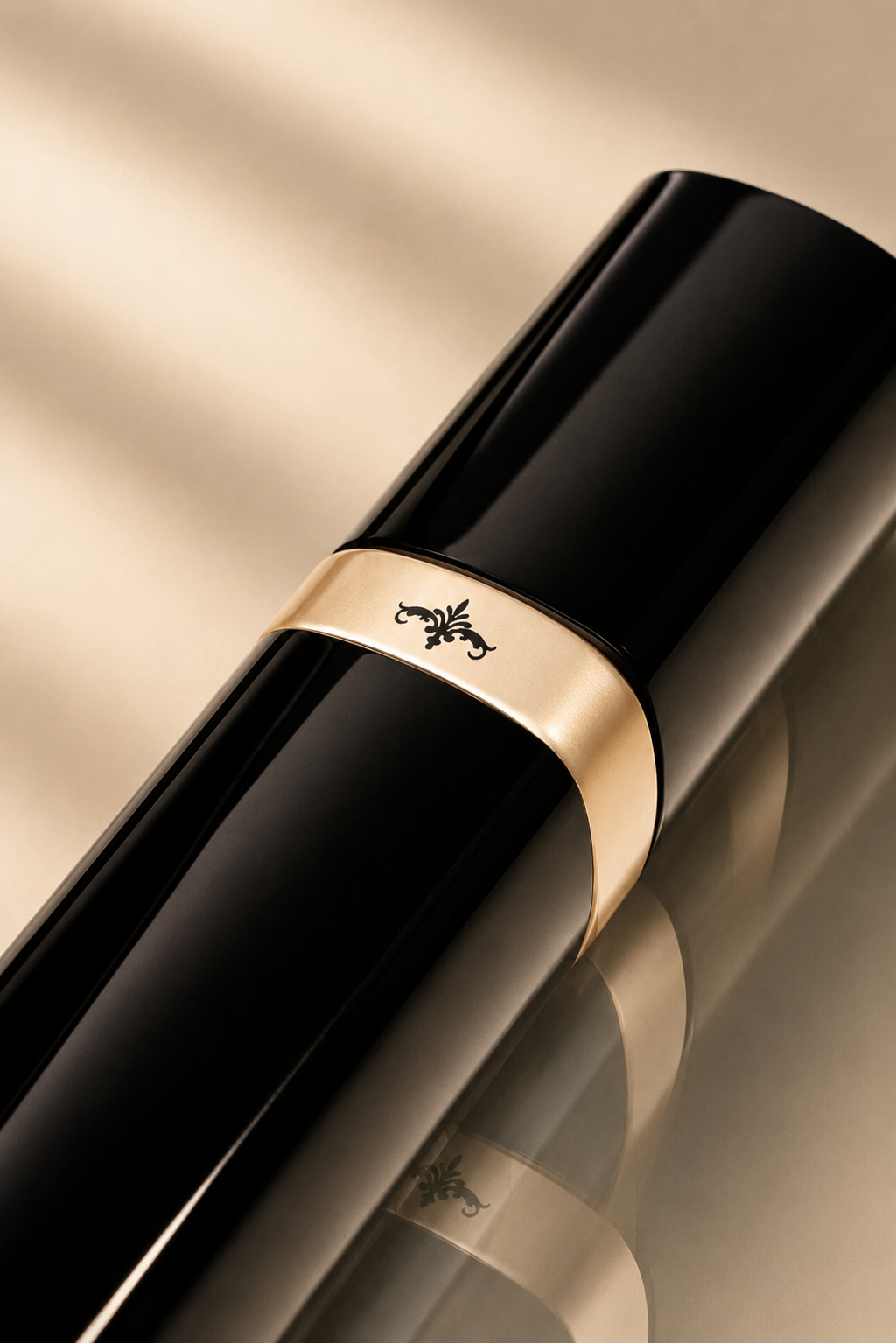
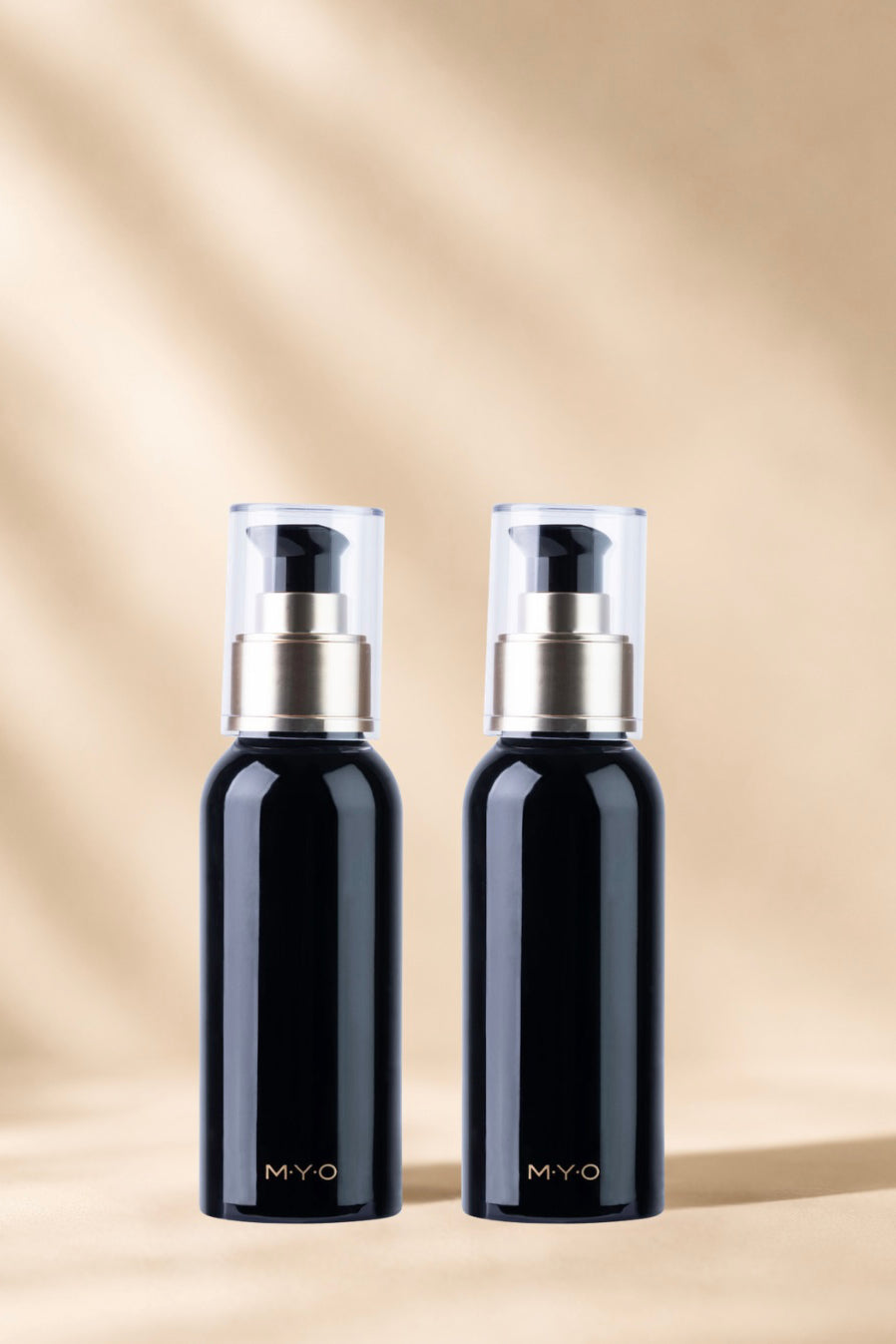
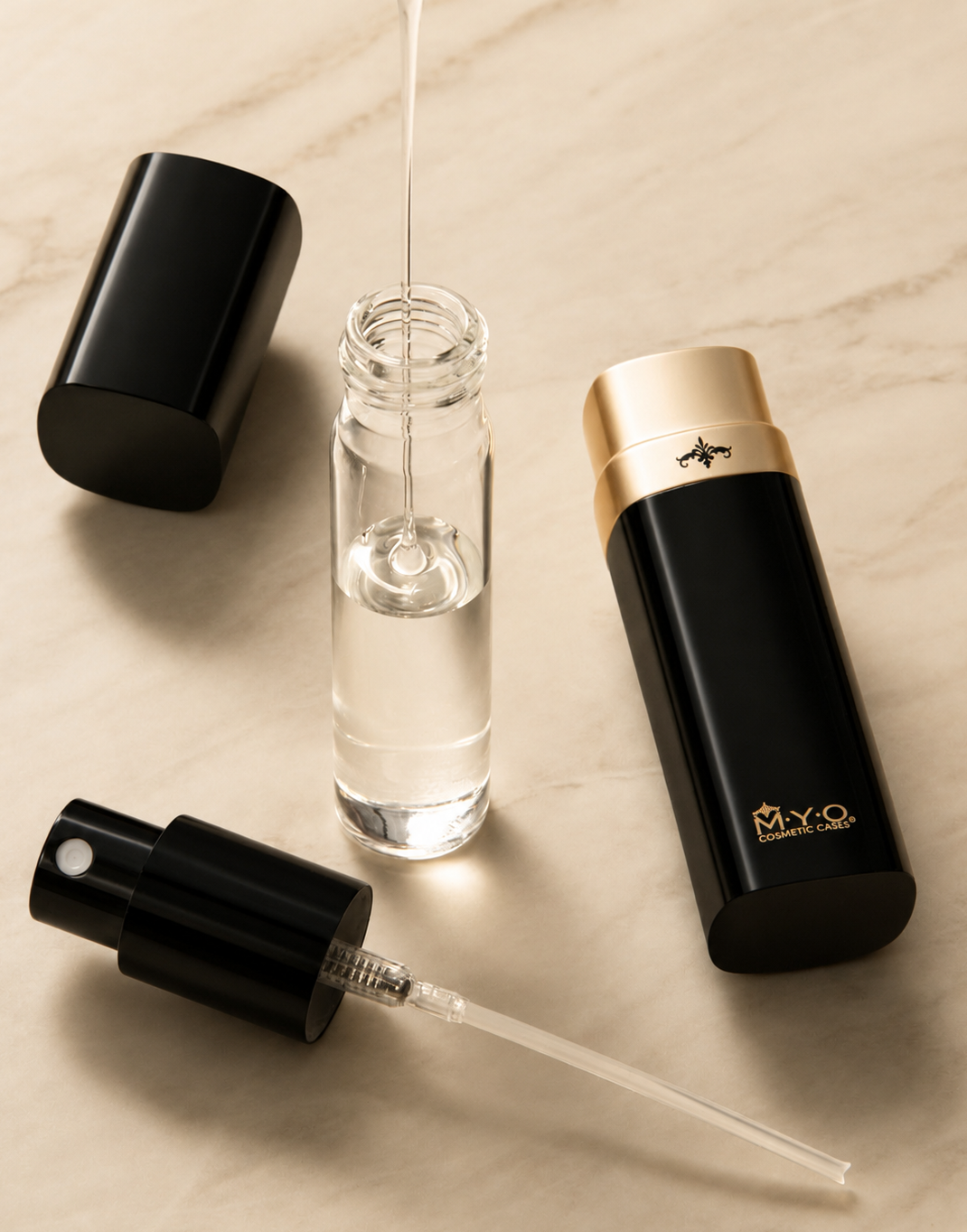
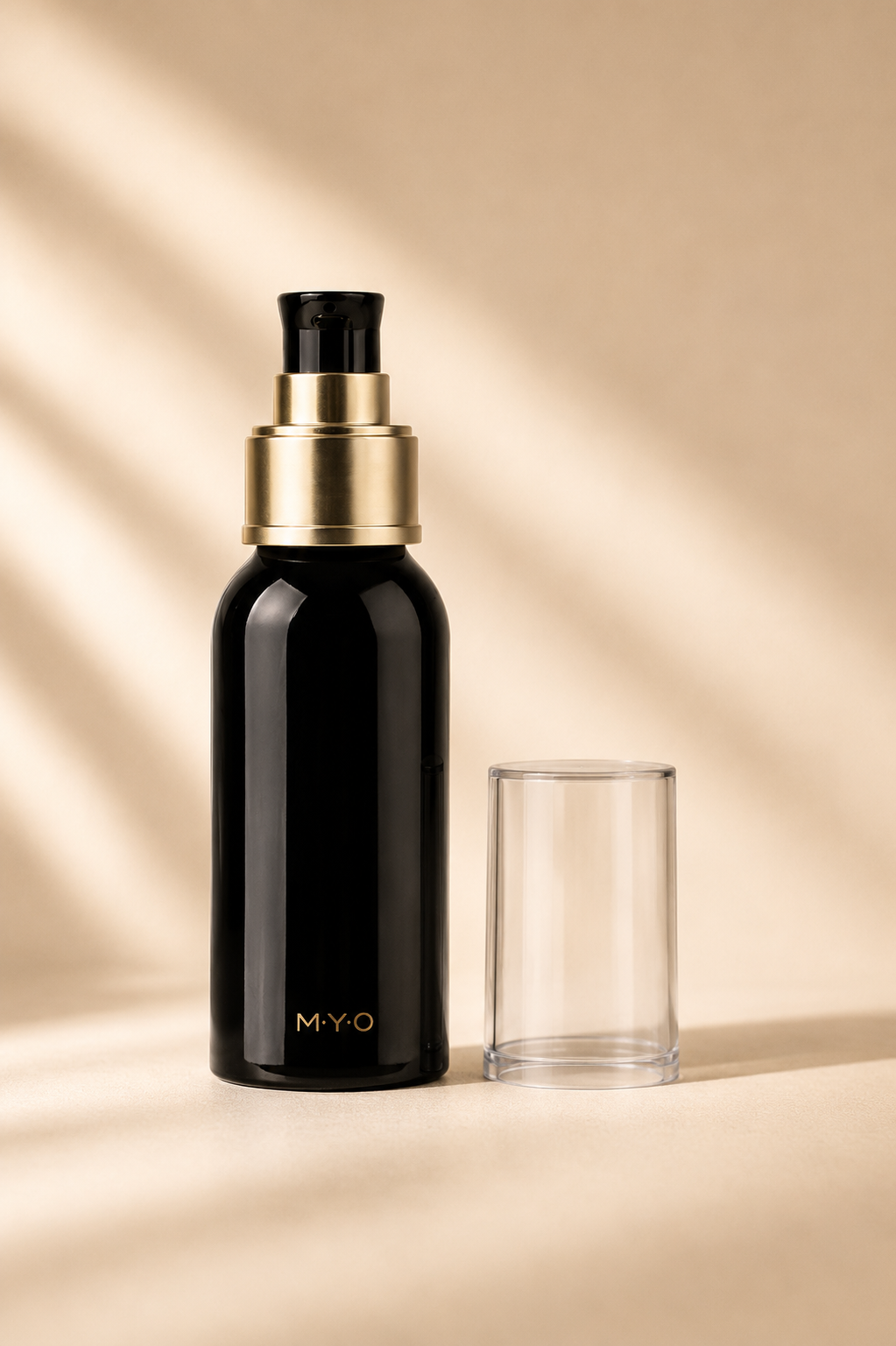
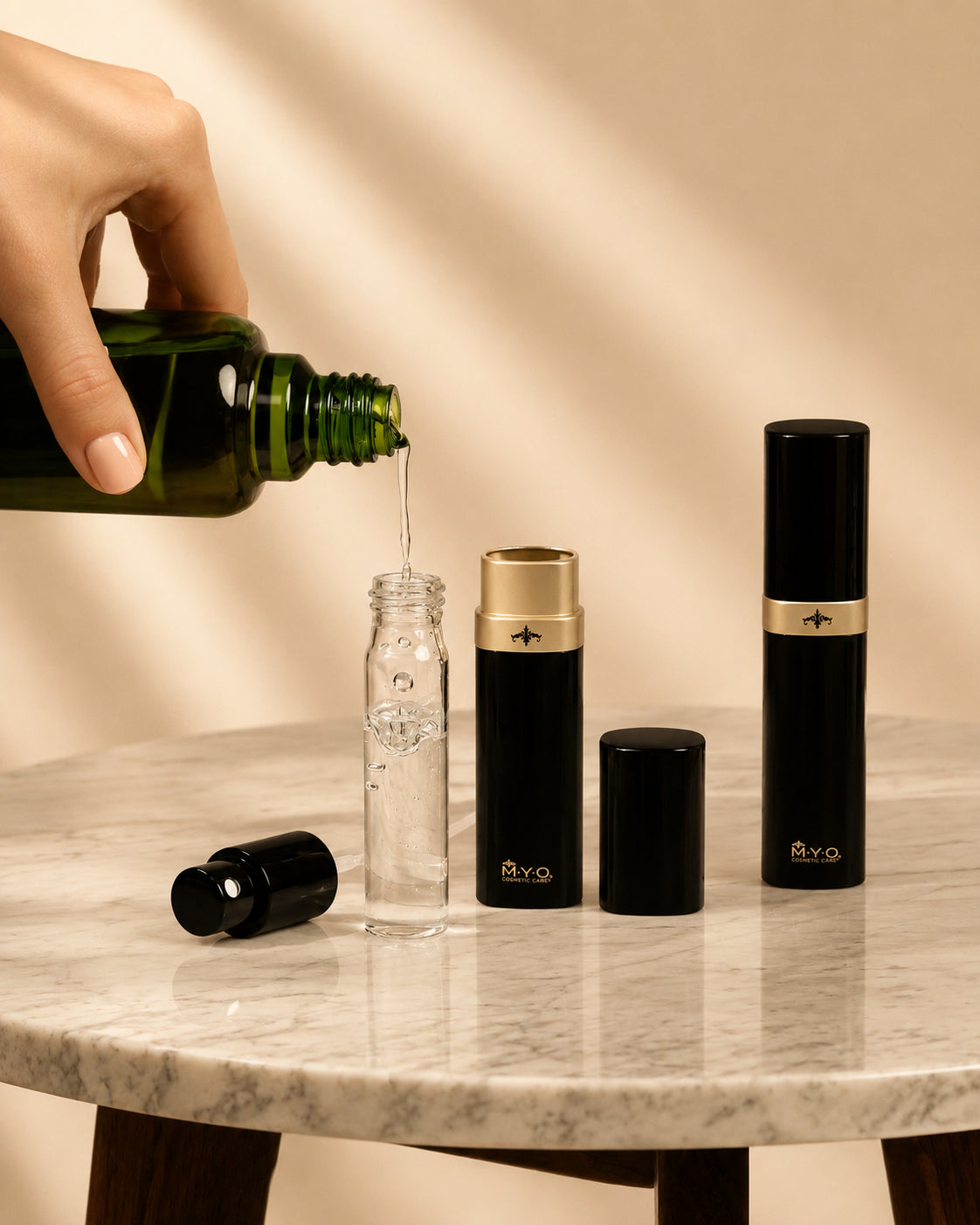
Our Luxe Performance Travel Containers combine a glass interior with a protective aluminum outer shell.
This dual-material design addresses two of the biggest challenges of traditional glass travel bottles: fragility and light exposure.
Why we chose this combination:
- Glass interior: Provides a non-porous, chemically resistant product-contact surface for many liquid skincare and makeup formulas.
- Protective aluminum exterior: Adds durability and helps shield contents from light.
- 15 ml capacity: Ideal for carrying smaller quantities of your favorite products instead of full-size bottles.
- Refillable design: Created for repeated use, making it easier to travel with products you already own.
- Pump and spray options: Allow you to customize your travel routine to suit different product consistencies.
Each set of four includes three pump bottles and one spray bottle, along with bilingual labels to help organize your essentials.
The aluminum exterior helps protect the glass interior during travel, although containers should still be handled with care.
Whether you’re packing your favorite moisturizer, liquid foundation, or facial mist, our travel bottles are designed to make your routine feel a little more effortless.
MYO Luxe Performance Travel Jars: Food-Grade Polypropylene + Aluminum
Not every skincare formula needs a glass bottle.
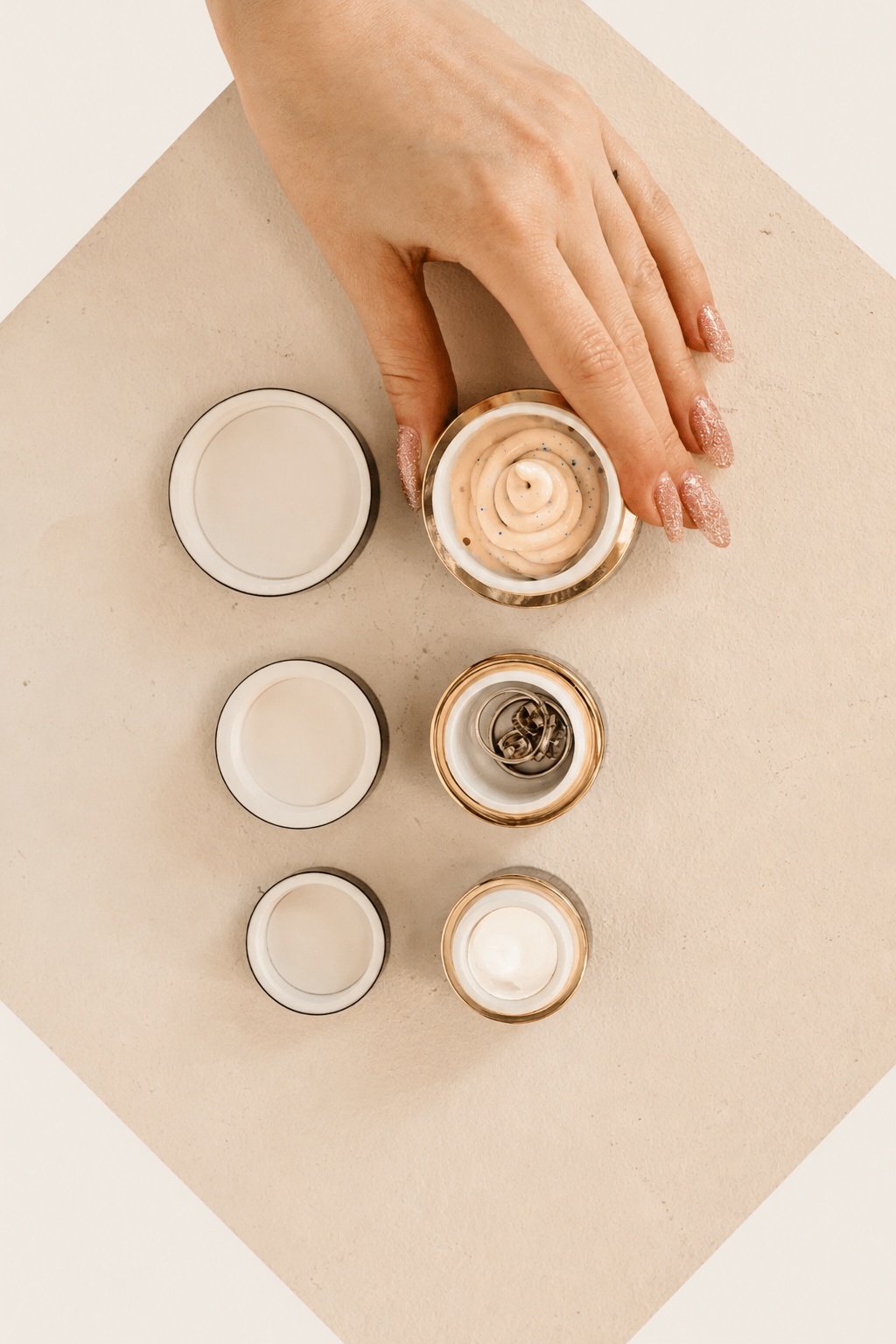
For thicker creams, balms, hair masks, and other beauty essentials, we chose a different combination of materials.
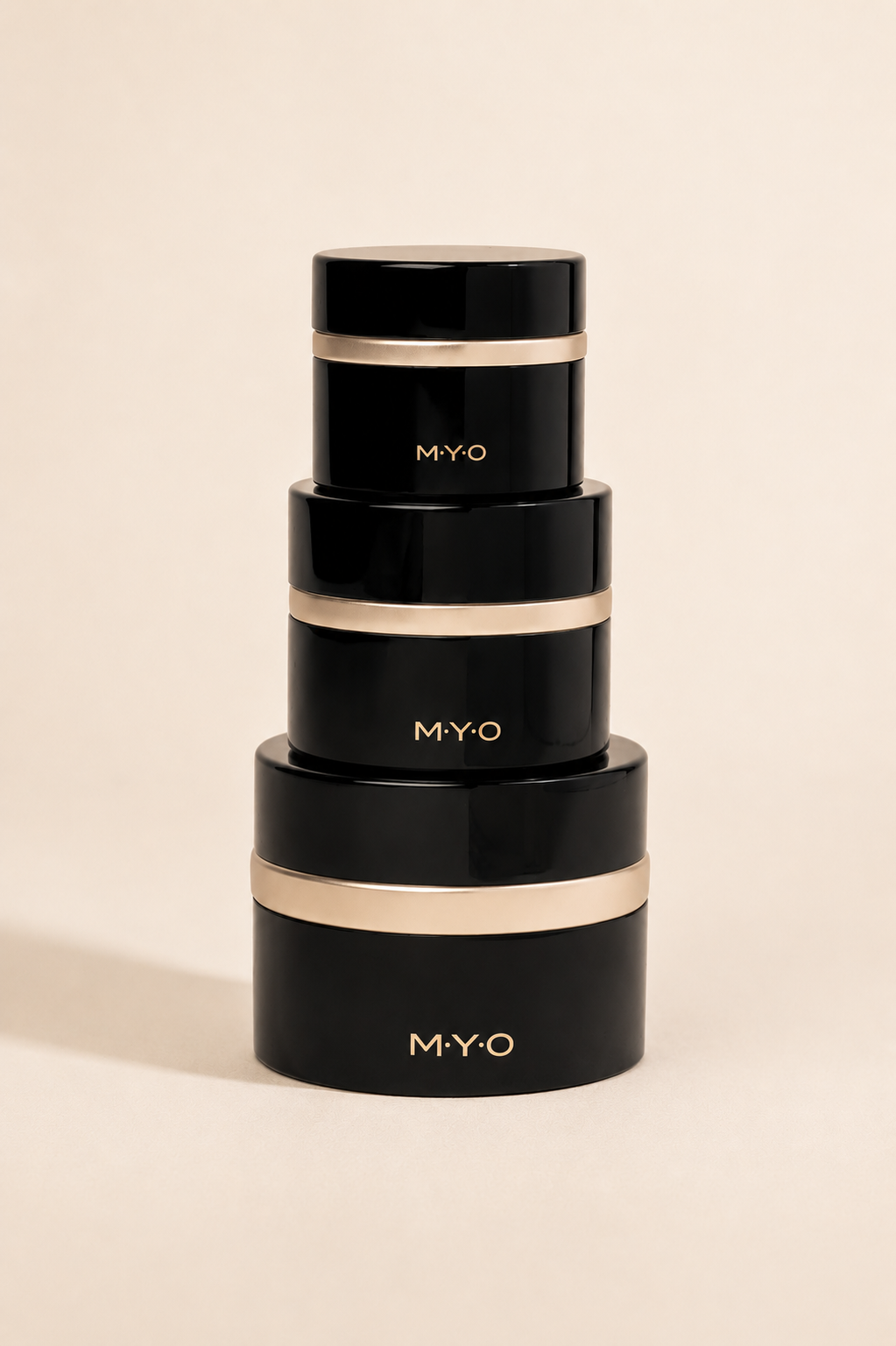
Our Luxe Performance Travel Jars feature a food-grade, chemical-resistant polypropylene interior surrounded by a high-gloss aluminum exterior.
Why this combination works:
- Food-grade polypropylene interior: Lightweight, durable, and suitable for many cosmetic formulations.
- Protective aluminum shell: Adds durability and a luxurious finish.
- Three convenient capacities: Available in 5 g, 15 g, and 30 g sizes.
- Refillable construction: Designed to be cleaned and reused.
- Travel-conscious sealing: Engineered and tested to help minimize leaks during travel.
Our polypropylene jars have also undergone independent screening for organic fluorine as part of our material testing.
By combining high-quality plastic with aluminum, we’ve created a travel jar that balances weight, functionality, and durability.
What Should You Look for When Choosing Travel Containers?
Before purchasing your next set of refillable skincare bottles, consider these five factors.
1. Material Compatibility
The most important material isn’t necessarily the one you see on the outside.
It’s the material touching the formula inside.
Choose containers designed for cosmetic use, and pay particular attention when transferring products containing active ingredients, oils, or specialized formulations.
2. Durability and Leak Resistance
Your travel containers need to withstand the realities of being packed, unpacked, and carried from destination to destination.
Look for secure closures, durable construction, and seals designed to help prevent leaks.
If you’re flying, remember that changes in cabin pressure, temperature, and handling can affect containers and their contents. No refillable system should be assumed completely leakproof under every condition.
3. Weight and Portability
If you’re traveling with carry-on luggage, every gram matters.
Plastic is typically the lightest option, while glass adds weight.
MYO’s 15 ml glass-and-aluminum pump bottle weighs approximately 40.5 g, providing a more substantial feel than a standard plastic bottle while remaining compact enough for short trips.
4. Cleaning and Reusability
A truly useful refillable container should be easy to clean, refill, and maintain.
Non-porous materials such as glass offer advantages for removing product residue, while well-designed polypropylene containers can also support repeated use.
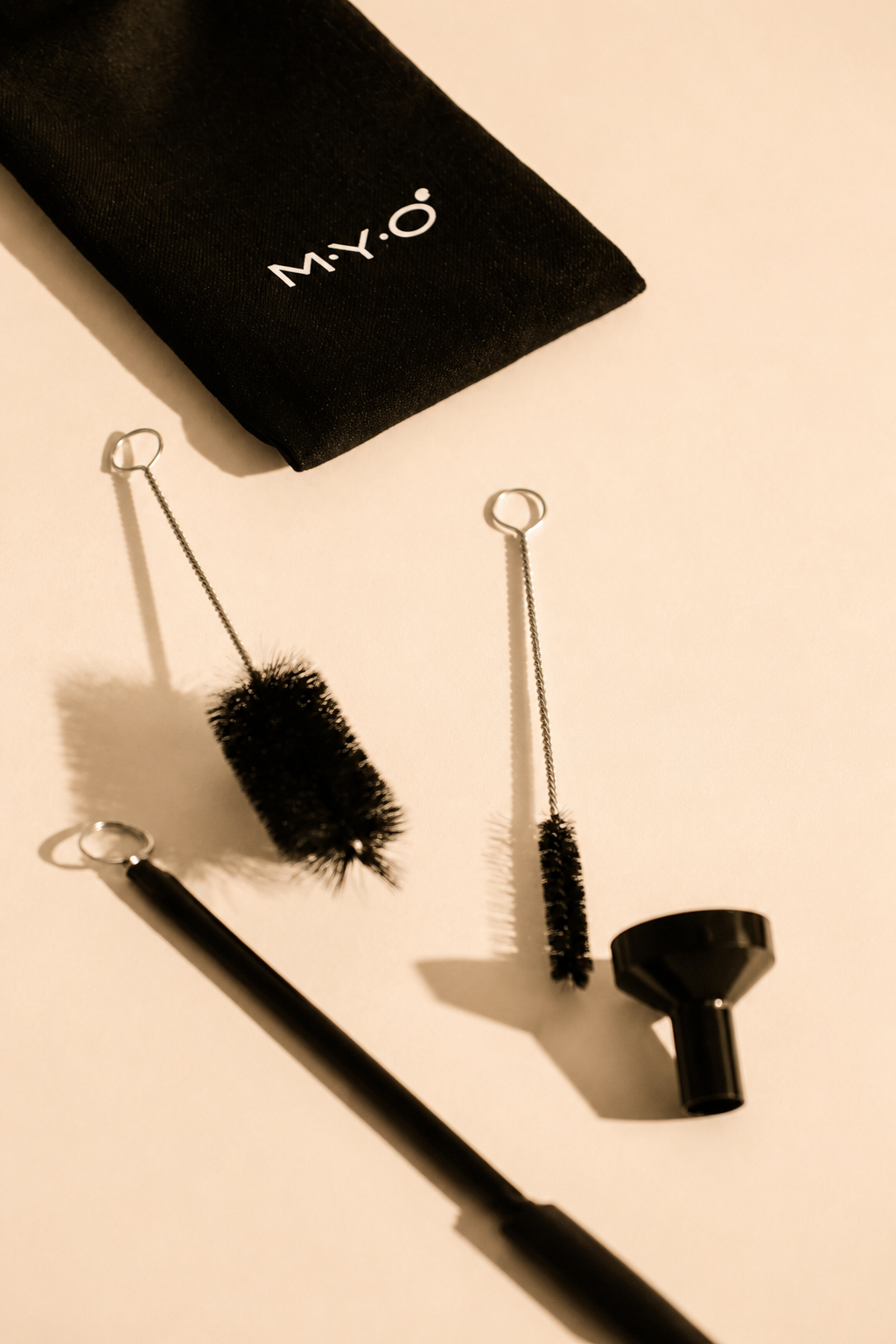
When cleaning MYO containers, we recommend using micellar water first to help break down oily or makeup-based residue, followed by mild soap and warm water.
Always allow components to dry fully before refilling and avoid using harsh cleaning products on materials that aren’t designed for them.
5. Sustainability and Longevity
Reusable travel containers can help reduce the need for repeatedly purchasing disposable, single-use travel bottles.
However, sustainability isn’t determined by material alone.
Consider how often you’ll use the container, how long it will last, whether its components can be replaced, and what recycling options are available at the end of its life.
The most sustainable travel container is often one that fits your needs well enough to be used again and again.
How Much Skincare Do You Really Need to Pack?
One of the easiest ways to simplify your travel routine is to stop packing more product than you’ll actually use.
Many travelers bring full-size skincare products for trips lasting only a few days.
Switching to smaller, refillable containers helps free up space in your luggage while allowing you to continue using your favorite formulas.
Here’s a simple guide:
|
Container Size |
Ideal Uses |
|
5 g jar |
Lip balm, eye cream, small makeup portions |
|
15 g jar |
Face cream, cleansing balm, moisturizer |
|
30 g jar |
Body cream, hair mask, thicker treatments |
|
15 ml pump bottle |
Liquid foundation, lotion, compatible serums |
|
15 ml spray bottle |
Facial mist, toner, other compatible liquids |
The amount you’ll need depends on your personal routine and the length of your trip, but thoughtful portioning can make packing significantly easier.
For air travel, all containers must also comply with the liquid and gel restrictions applicable to your route.
Are Refillable Travel Containers Worth the Investment?
If you travel regularly, investing in a durable, refillable travel system can offer benefits beyond convenience.
Instead of repeatedly purchasing inexpensive containers or travel-size versions of products you already own, you can refill your favorite products as needed.
Over time, this can help you:
- Reduce purchases of disposable travel packaging.
- Avoid buying duplicate travel-size skincare.
- Organize your products into a consistent packing system.
- Travel with a more compact beauty routine.
- Enjoy a more considered, luxurious experience every time you pack.
The key is choosing containers made with quality materials that suit the products you use.
At MYO, we’ve designed our Luxe Performance Travel Collection with this philosophy in mind: buy thoughtfully, refill often, and travel beautifully.
The Final Verdict: Glass, Aluminum, or Plastic?
So, what’s the best material for skincare travel bottles?
The answer depends on what you’re packing.
Choose plastic when lightweight portability, affordability, and shatter resistance matter most.
Choose aluminum when you want a durable, lightweight exterior that helps shield your products from light.
Choose glass when you prioritize a non-porous, chemically resistant interior for your skincare and cosmetic formulas.
Or choose a thoughtfully designed combination of materials that gives you the benefits of more than one.
That’s the philosophy behind the MYO Luxe Performance Travel Collection.
By combining glass and food-grade polypropylene interiors with protective aluminum shells, we’ve created a refillable travel system designed for the practical demands of modern travel without compromising on luxury.
Because the products you carefully choose for your skin deserve equally thoughtful packaging.
And traveling beautifully should never mean leaving your skincare routine behind.
Ready to upgrade your travel routine?
Discover the MYO Luxe Performance Travel Collection and experience a more refined way to pack your skincare and beauty essentials.
Shop MYO Cosmetic Cases — Luxury, packed beautifully.
Frequently Asked Questions
Are glass travel bottles better than plastic for skincare?
Glass offers excellent chemical resistance, a non-porous surface, and minimal odor retention, making it a strong choice for many skincare formulations. However, high-quality cosmetic-compatible plastics can also be suitable. The best material depends on the product’s ingredients and storage requirements.
Can plastic travel bottles affect skincare products?
Some plastics may interact with certain formulations, particularly when exposed to incompatible ingredients, excessive heat, or prolonged storage. This does not mean all plastic travel bottles are unsafe. Choosing a suitable, well-manufactured material is important.
Is aluminum safe for storing skincare?
Aluminum can be an excellent packaging material, particularly for blocking light and providing physical protection. For formulas that may react with bare aluminum, a compatible inner lining or separate interior container is important.
What are the best travel containers for serums?
Glass-lined bottles can be a great option for many serums because of their non-porous and chemically resistant interior. However, formulas containing highly sensitive active ingredients may require their original airless or specially designed packaging.
What size travel bottles are best for carry-on luggage?
Small refillable containers, such as MYO’s 15 ml bottles, are convenient for portioning everyday skincare. Most international carry-on liquid restrictions use a maximum container capacity of 100 ml per item, but always check the requirements for your airport and destination.
Are reusable travel containers more sustainable?
Reusable travel containers can help reduce disposable packaging purchases when used consistently over time. Their overall environmental impact depends on materials, manufacturing, transportation, lifespan, and end-of-life disposal.